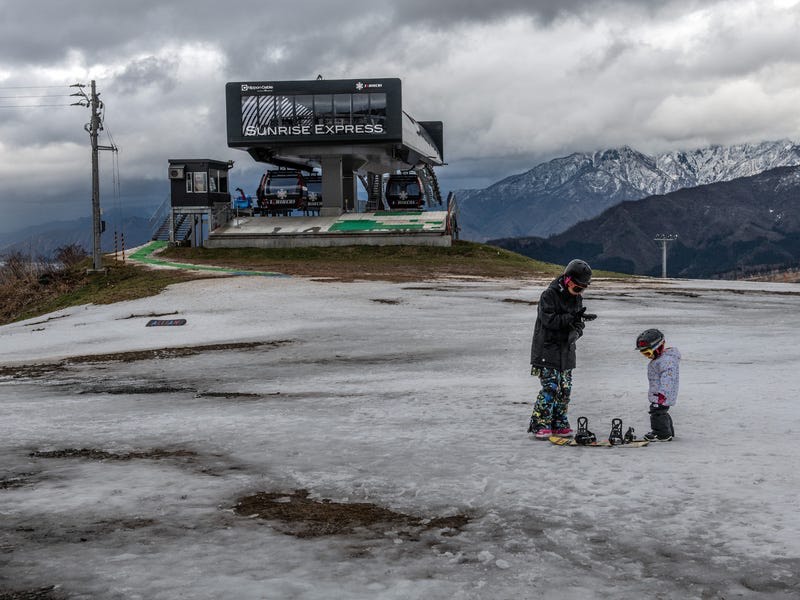
A city, yearning for powder covered lawns and trees, faces a snowless season leaving many deeply disappointed. In Colorado, the winter of 2025 played a cruel trick on Christmas lovers.
“It wasn’t the holiday I know and love,” Meta Wa-Kalonji (10) said.
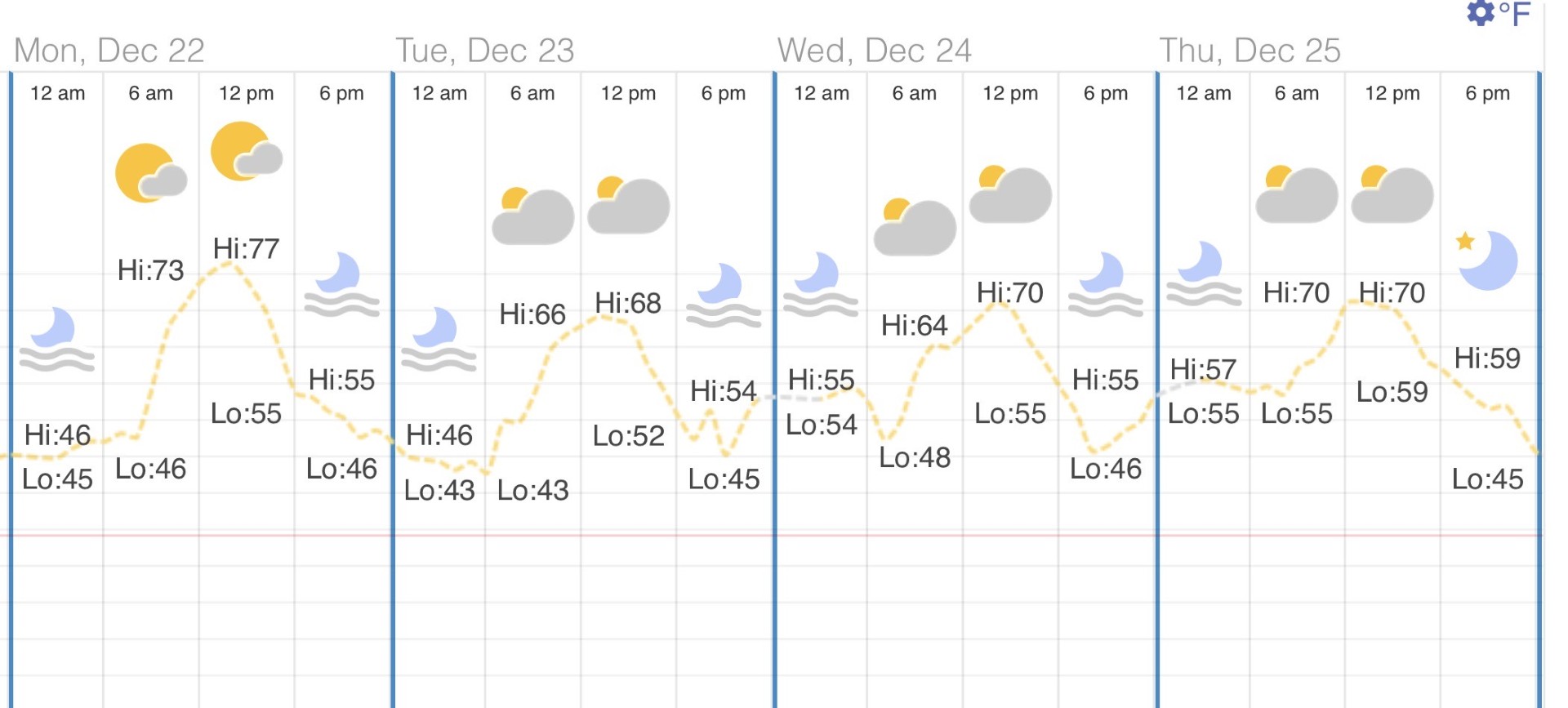 Colorado has seen unexpectedly warm temperatures, with Denver seeing its second-warmest December and warmest start to the year on record. Earlier this month, Denver recorded eight days with highs of 60 degrees or warmer, breaking a record that had stood since 1939.
Instead of snow, the big bubble of high pressure blocked storms. This “heat dome” made things warmer, and along with climate change making our winter milder, it meant a very different season than we’re used to. Heat domes happen when strong high pressure atmospheric conditions remain stationary for an unusual amount of time, preventing convection and precipitation and keeping hot air “trapped” within a region. The lack of moisture and persistent warmth created very dry conditions, leading to increased fire danger.
“There are plenty of years in the past that have had low snow and plenty of years in the past that have had high snow, and that’s only looking at the last 30 to 50 years — not even a thousand years. So climate change is warming temperatures, but it’s not — at least what we see in the data — changing the amount of precipitation that’s falling in Colorado,” Joel Gratz, OpenSnow’s founder and CEO said.
Winds blowing down the Rocky Mountains compressed and warmed as they descended, leading to significant heating. Chinook winds. Also known as the “snow eaters”, influence snowmelt, flooding, wildfire activity, vegetation, wildlife, health, infrastructure, and transportation.The jet stream stayed north of Colorado, directing moisture and colder air elsewhere, like the Midwest and East Coast, allowing warm air to dominate.
With the snow missing in action, almost all of the ski resorts in Denver went through a hard time. The usual bustling slopes turned into ghost towns, proving that sunny skies and warm weather aren’t exactly a recipe for a winter wonderland or a thriving ski community.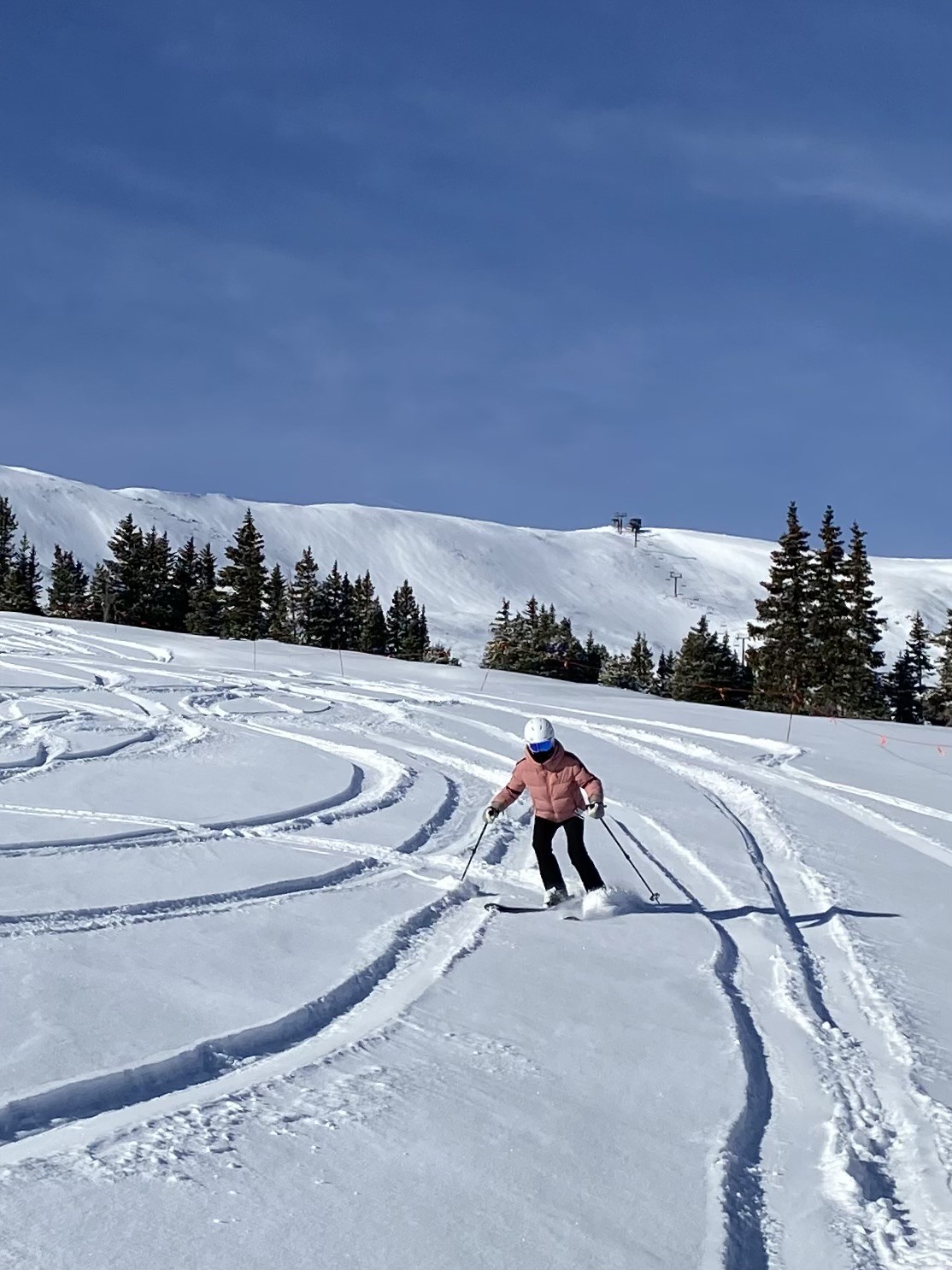
“I was so excited to ski this winter because my family loves to go from time to time, but this year there was no snow, so it was very slippery, and the wind kept shutting down the lifts,” Malorie Ngyuen (10) said.
Vail ski resorts, one of Colorado’s most popular destinations, reported a 20% drop in visits to its U.S. properties this winter.
“We had one of the worst early-season snowfalls in the Western U.S. in over 30 years, which limited our ability to open terrain and negatively impacted visitation and ancillary spending for both local and destination guests during the period,” Vail CEO Rob Katz said.
The winter of 2025 served as a stark preview of climate change’s impact on Colorado. From disappointed holiday dreams to economic hardship, the warm, snowless season forced a harsh reality check about our environment, signaling a necessary shift towards adaptation.
Experts are concerned that these unusually warm temperatures might stick around. This raises questions about what winter in Colorado will be like in the years to come.“The snow season’s getting compressed; falls are getting warmer, and the cold part of winter maybe isn’t as long,” climate scientist Dr. Keith Schumacher said.


![The Stone Age Starts with the Schools [OPINION]](https://ghschronicle.com/wp-content/uploads/2026/04/iranphoto-1-900x1200.jpg)