With the temperatures dropping and hopes of snow days increasing, winter is officially among us here at Grandview. The seasonal change tends to sometimes take a toll on one’s mental health, especially students. This effect is called Seasonal Affective Disorder, or (SAD). Some may associate this as “Seasonal Depression”, but effects in people’s mental health can happen in other ways besides depression. Grandview students shared their experiences with SAD ahead of finals week, if any.
“When the weather is bad during the day, I feel like I’m more tired,” Maddox Sandstrom (11) said.
Sandstrom thinks there is a correlation of “bad” weather to fatigue. But what bad weather for students is, may differ depending on the person and their preference. Some enjoy the cold and some despise it.
“My favorite is spring, and my least favorite is winter,” Grayson Connet (11) said. “You want it to be hot, you don’t want it to be cold.”
Even with the major absence of snowfall upon us in Colorado this winter, a pattern of mood drops when experiencing winter weather starts to emerge.
“Yeah, definitely my mood drops a bit during winter,” Sulayman Faal (12) said. “Then summer comes around and it’s all bright again.”
However, this winter has seen glimpses of spring and summer weather and plenty of sunshine. A search of what other factors may lead to SAD, is up for discussion.
“It gets colder, it gets darker earlier, and [Theres] less going out.” Faal said.
With the sun setting at around 4:40 pm, Colorado’s record amount of sunshine this winter is still limited.
“It’s darker and gloomy out, and so I think that my mood has dropped just because of that.” Connet said.
A direct correlation with sunlight amount and mental health seems to be evident, as students claim they experience it. School Physcologist, Amber Newcombs, explains the science behind it.
“Vitamin D is a huge piece of the puzzle for a lot of people,” Newcombs said. “When you’re short on vitamin D, it can make you feel sad, lethargic, depressed, tired, because vitamin D helps with energy and directly comes from the sun.”
Weather and environment both seem to be the stepping stones for students Seasonal Affective Disorders at Grandview. Yet, one other factor may also play into part that most people do not think of often.
“I would say this time of year, it’s more around stressors with finals and the end of the semester,” Newcombs said. “The holidays [Also] are a hard time for a lot of people, for a lot of different reasons.”
Seasonal Affective Disorder may be be the component for student mental health drops at Grandview, but it could be the timing of the school year as well. For certain, students believe SAD is real and effective.
“Yeah for sure, people are a lot more sad during winter,” Sandstrom said. “People are unmotivated to do things, especially during school.”
Sandstrom is one of many who confirm the legitimacy of Seasonal Affective Disorder.
“Oh, for sure. It’s pretty effective too.” Connet said.
Some students related SAD to the time of year, and described the factors that play into both.
“It comes the most in the winter, probably because of the workload and school.” Faal said.
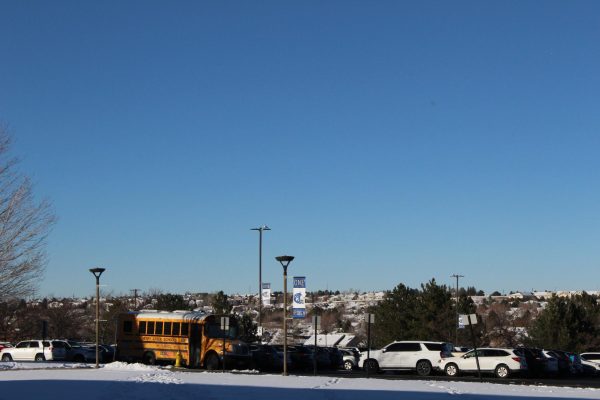
Whether it is the time of year for students that struggle with finals or the holidays, temperatures dropping, or environmental changes like less sunlight, it is determined that SAD occurs often to many students including here at Grandview.
“Seasonal depression happens to lots of people. It’s very normal in the wintertime,” Newcombs said. ”Get outside when it’s as sunny as possible, spending 30 minutes a day outside is great. and physical activity. Those are huge pieces of the puzzle to make those endorphins continue to feel good and help your brain feel better.”
Students at Grandview have help and a listening ear whenever they need, in the counselors office and also Amber Newcombs as our school psychologist.
“If students need anything, they can come down here,there are five of us down here every day to support kids and whatever they need.” Newcombs said.


![The Stone Age Starts with the Schools [OPINION]](https://ghschronicle.com/wp-content/uploads/2026/04/iranphoto-1-900x1200.jpg)