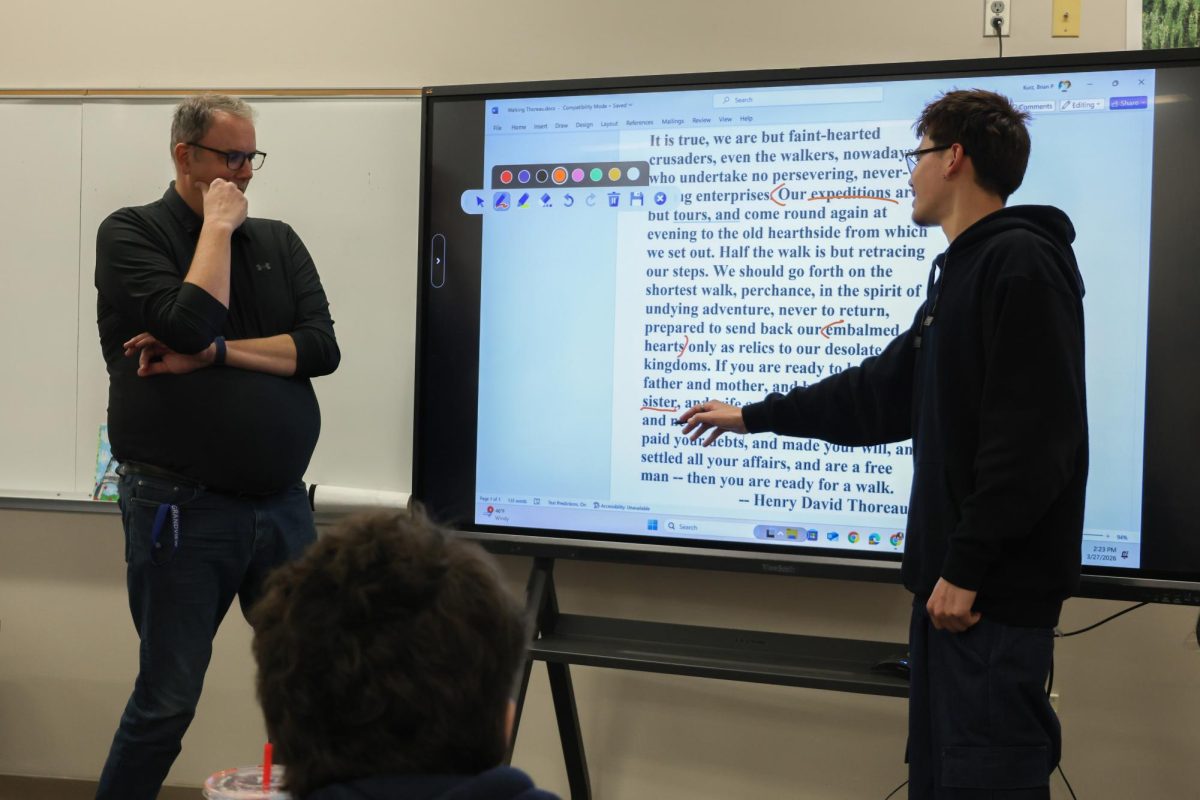
On November 5th, a schoolwide power outage plunged Grandview into darkness. In an age where electricity is essential for learning and communication, Grandview staff were quick to discover the extent of the issue.
“[All power was shut down] at least [to] the traffic lights outside the school. We aren’t sure how far-reaching it was,” Grandview’s Principal Dr. Lisa Roberts said.
The power outage occurred during Wednesday’s advisory period, a weekly class that all students are required to attend. At that time, all students were in their respective classrooms under teacher supervision rather than in the commons or library.
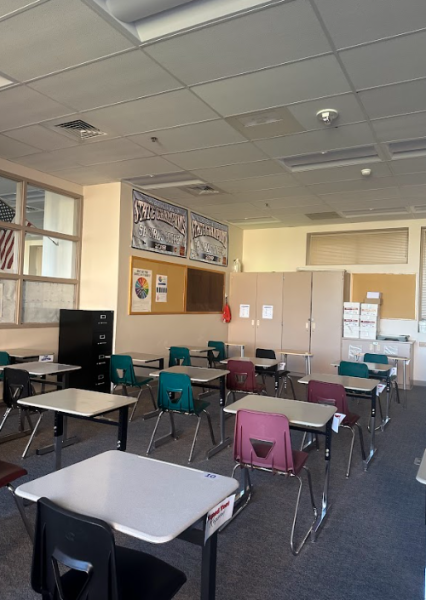
Approximately seven minutes into the power outage, Dr. Roberts made an announcement over the intercom informing students and staff of the situation.
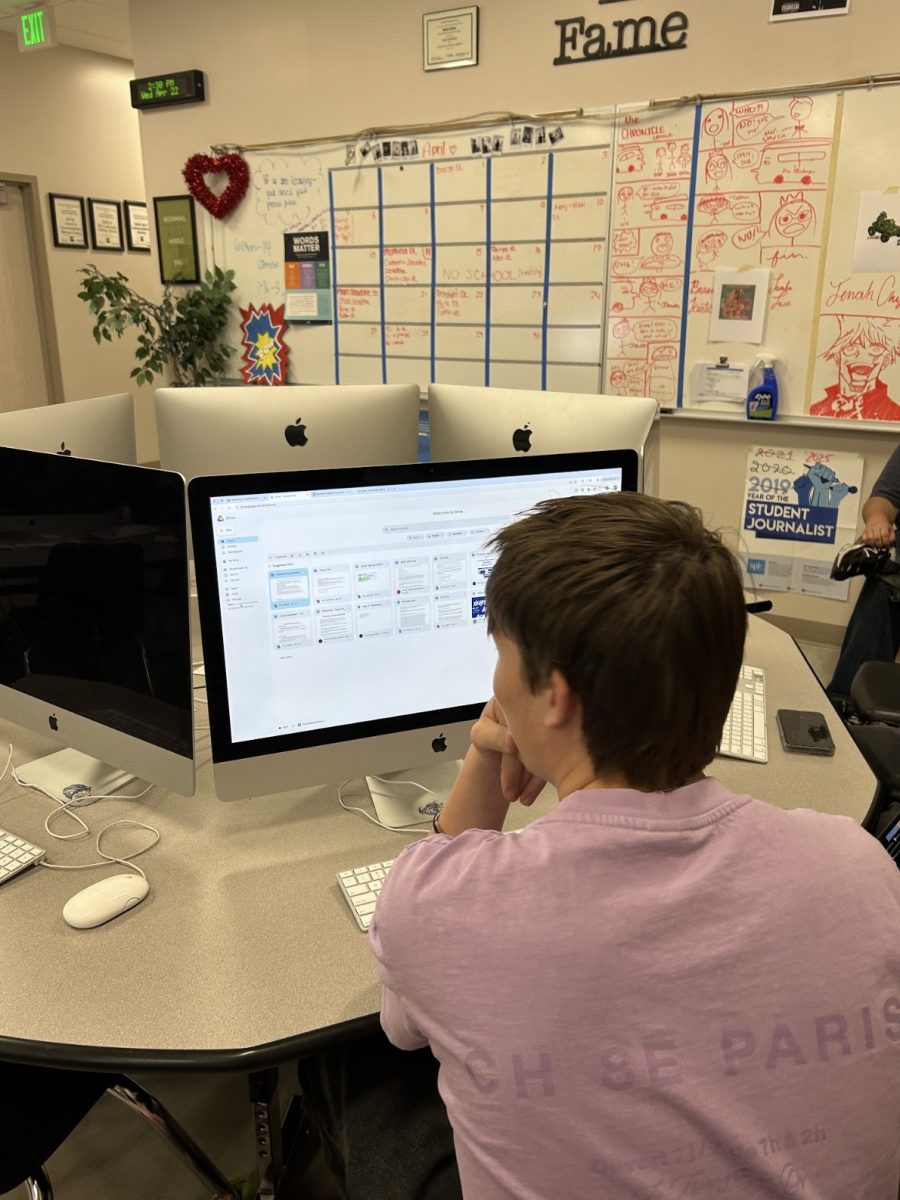
“I remember wondering how the rest of the day was going to work if there was no power. It seems like everything in school depends on electricity since we do almost everything on computers now,” Sophie Yoon said (12).
A team of administrators was convened in order to determine what was working and what the rest of the day was going to look like.
“I had to communicate with our team at school and our supervisors at the district level. We all had to determine what would happen if the power stayed off for an extended period of time,” Dr. Roberts said.
Air-conditioning, stop lights, and the kitchen were all aspects taken into consideration.
“Luckily we weren’t at a lunch period at [the time of the power outage] because the kitchen wasn’t working, and that would’ve changed our plan of action,” Dr. Roberts said. “If classrooms started to get too hot and food was unavailable, then we would have to think about alternative plans.”
School cancellation or early dismissal were considered in the event the outage persisted; however, power was restored approximately 30 minutes later during the second period. While no lingering issues have been noted so far, the cause has yet to be identified.
“A power outage is always a possibility. Since we don’t know the cause, it certainly could happen again. We hope it doesn’t,” Dr. Roberts said.
![Grandviews Top 10 New Year's Resolutions [OPINIONS]](https://ghschronicle.com/wp-content/uploads/2024/12/gettyimages-609942456-612x612-1-e1734126524159.jpg)




![The Stone Age Starts with the Schools [OPINION]](https://ghschronicle.com/wp-content/uploads/2026/04/iranphoto-1-900x1200.jpg)